
Pool Leak Detection and Repair in Northfield, IL – Book an Inspection

If you keep topping up the water and it keeps dropping, JG Pool Service tracks down where it is going in Northfield pools and fixes the source, not just the symptom.
24+
Years servicing residential pools across the Chicago suburbs.
FREE
Estimate before any leak repair begins.
7 DAYS
A week, we take leak calls from pool owners in Northfield.
24/7
Emergency response for leaks, pump failures and equipment breakdowns.

Where Pool Leaks Usually Hide

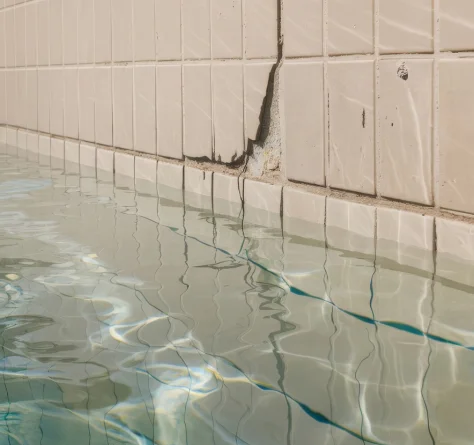
A pool that loses water is rarely leaking through one obvious hole. In the Chicago suburbs, months of freezing and thawing move the ground around the pool, and that movement opens small gaps at every point where two materials meet: plastic fittings set into concrete, tile set onto plaster, pipes joined under the deck.


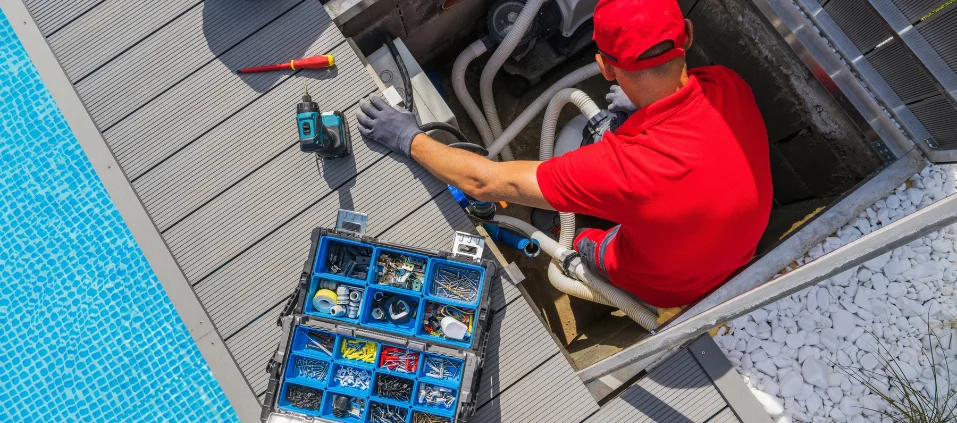
Most of those gaps sit where you cannot see them. A crack in an underground line leaks into the soil, a fitting leaks behind the wall, and a seal around the light leaks into its conduit. The only sign above ground is a water level that keeps dropping, a pump that pulls air, or a wet patch in the yard that never seems to dry.


The same freeze that opens a leak can also damage the skimmer or the plumbing it connects to. That is why a leak search covers the shell, the fittings, the lines and the equipment, and why many leaks end in a skimmer replacement rather than a patch on the floor.

01

Fittings and Seals

Skimmers, returns, lights and the main drain are plastic parts set into concrete. Their seals shrink and crack with age and winter movement, and they are among the first places a leak search checks.
02

Underground Lines

Pipes under the deck can crack from freezing water or shifting soil. These leaks drain into the ground without a visible puddle and often show up only as steady water loss.
03

The Shell Itself

Cracks in plaster or concrete, and gaps behind loose waterline tile, let water seep out of the pool body. They often appear after a hard winter and grow if they are left alone.

Finding the Leak Before Fixing It

Pool leak detection from JG Pool Service pinpoints where the water is going, so you pay to repair the real leak and not a guess.

A leak repair is only as good as the search before it. Patching the most visible crack and hoping the water stops is the most common way pool owners end up paying twice. We start by measuring how much water the pool is actually losing, then narrow the search to the part of the system that is responsible.


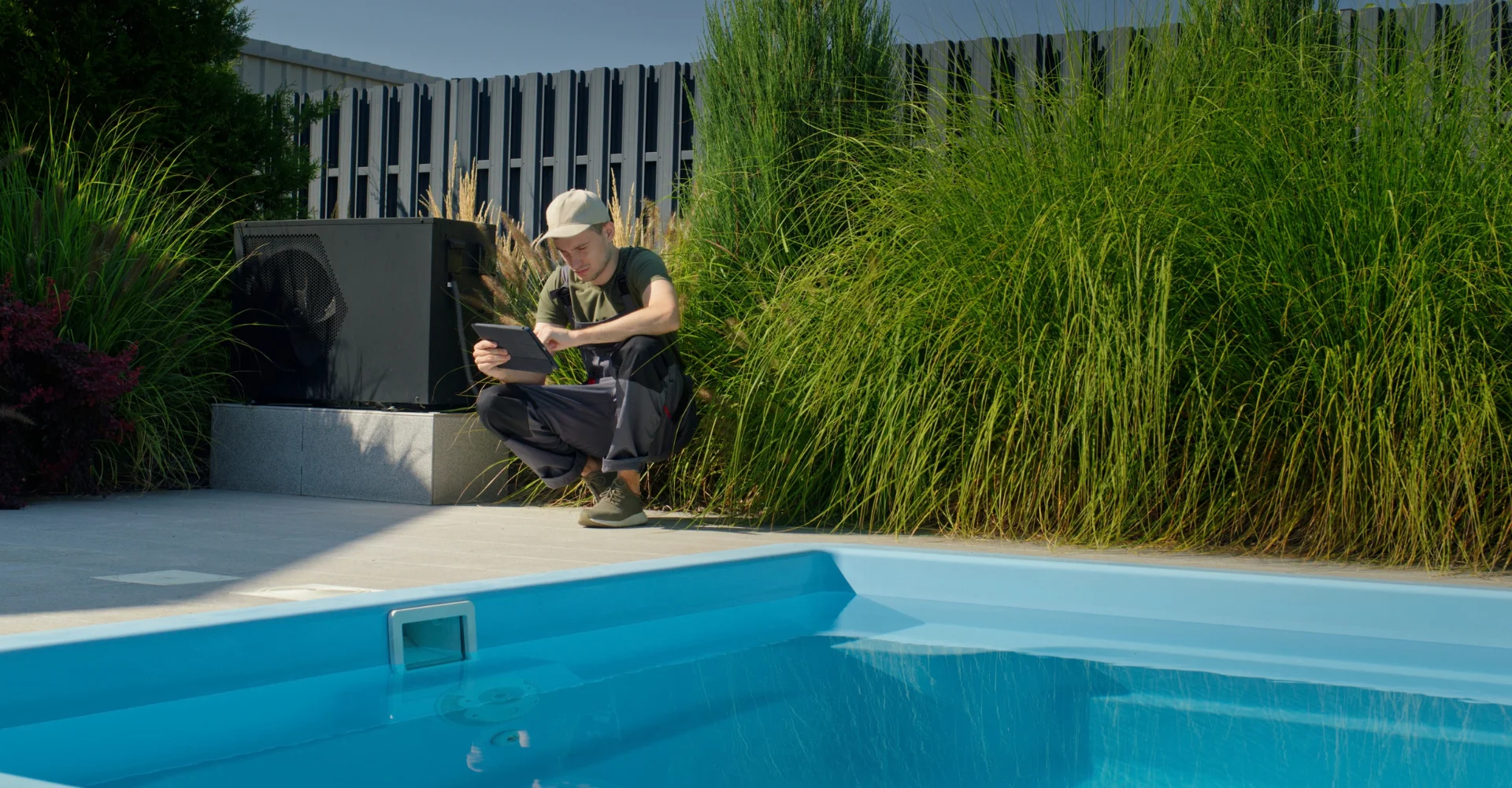
We check the shell, every fitting, the underground lines and the equipment pad, using leak detection equipment and tests that show where water is escaping without tearing up the deck to find out. Only the area that needs work is opened.


Once the source is found, we explain what failed, what the repair involves and what it costs before any work starts. If the cause is a worn pump seal or a leaking valve, the fix is handled as part of our pool equipment repair work.
01

No Guesswork Repairs

The repair targets the confirmed source of the leak, so you are not paying for patches in places that were never leaking in the first place.
02

Less Damage to the Deck

Knowing exactly where a pipe is leaking means opening only a small section of the deck instead of digging along the whole line.
03

Lower Water and Chemical Costs

A pool that holds its water no longer needs constant topping up, and the chemistry stays balanced instead of being diluted every few days.

Leak Repairs Across Northfield Pools

From a cracked return fitting to a broken line under the deck, each repair is matched to the source the leak search confirms.
01

Shell Crack Repair

Cracks in the plaster or the concrete shell are a common leak source after winters of ground movement. We confirm the crack is actually leaking, then seal it with a pool-rated repair that holds under water pressure.
02

Skimmer Leaks

The joint where the skimmer meets the pool wall is one of the first places we check. If the water level stops dropping at the skimmer opening, the leak is often in the skimmer body or throat, not in the pipes.
03

Return Fitting Leaks

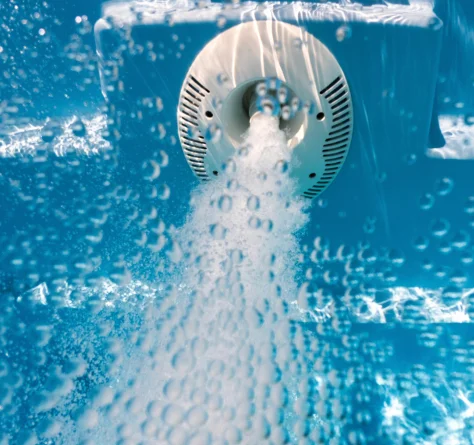
Return jets push filtered water back into the pool, and the seal around each fitting can crack or shrink over time. We test each return, reseal or replace the fitting and make sure the wall around it is sound.
04

Light Niche Leaks

Pool lights sit in a niche with a conduit that runs back to the deck, and both can leak. Water loss that stops around light level often points here, and we reseal the niche or conduit once the leak is confirmed.
05

Underground Pipes

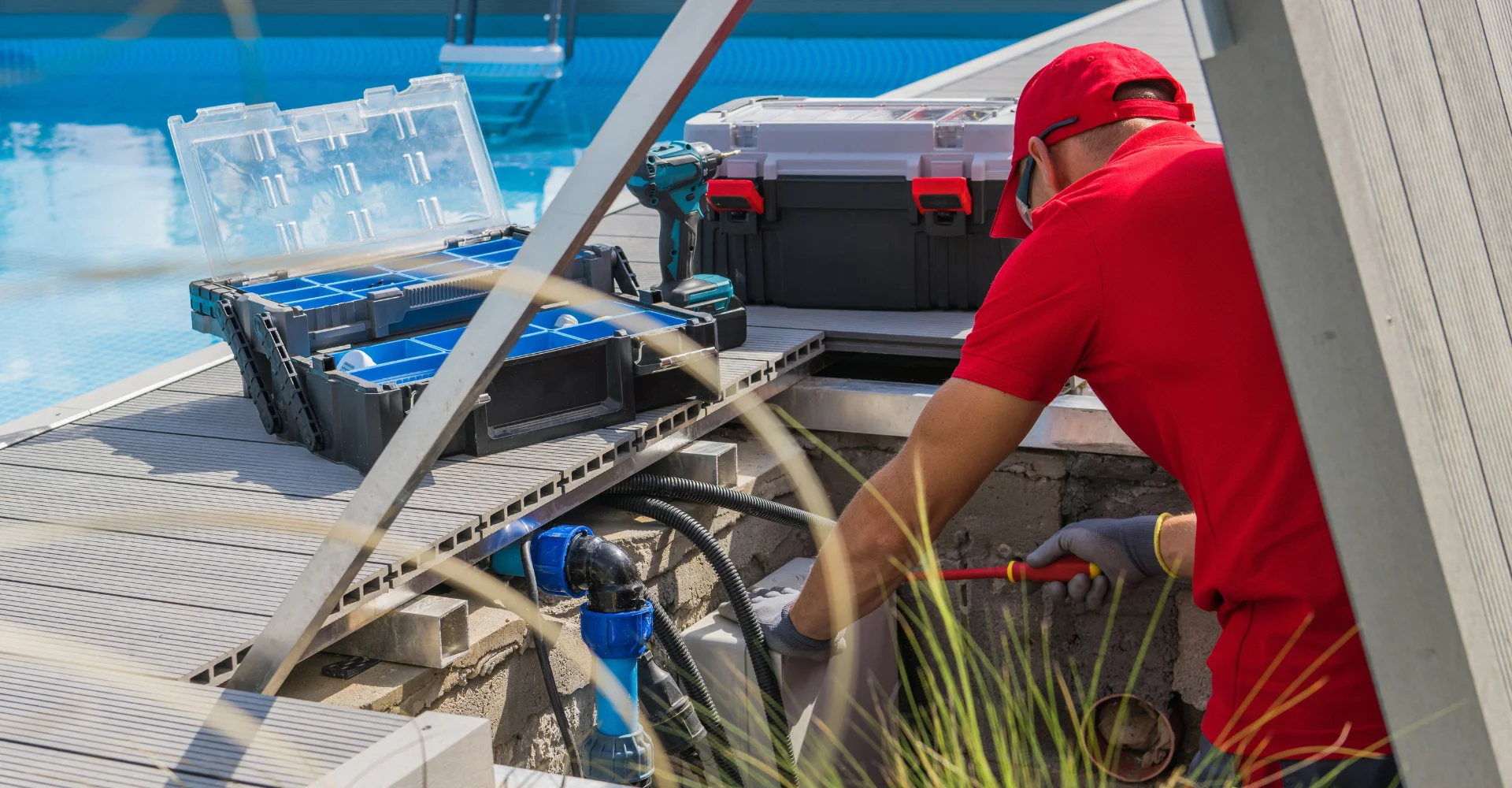
Pipes under the deck can crack from freezing or shifting soil and leak without any visible sign. We locate the damaged section, open only the area needed to reach it and repair the line before closing the deck.
06

Equipment Pad Leaks

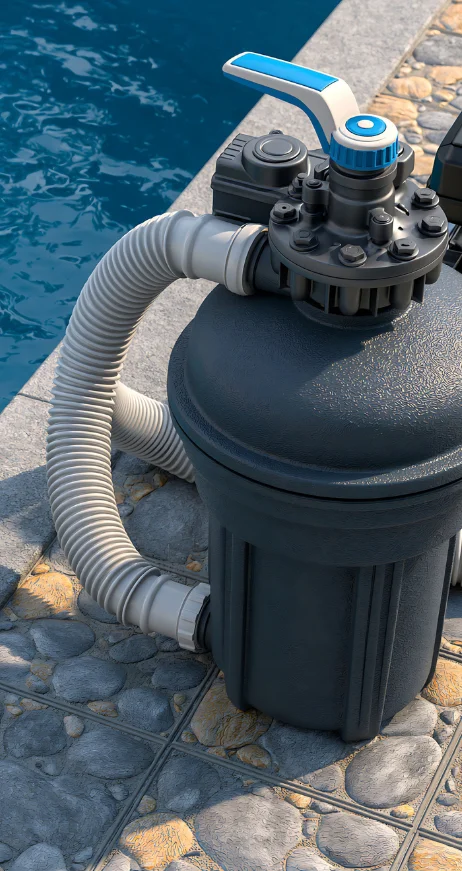
Leaks at the pump, filter, heater or valves are easier to see but still waste water and let air into the system. We tighten, reseal or replace the leaking parts and check that the pump primes properly afterward.
07

Main Drain Leaks

The main drain at the deepest point of the pool connects to a line that runs to the pump. A cracked drain body or a failed seal can leak constantly, and we test the drain line to confirm before any repair begins.
08

Tile Line Leaks

Water can escape behind loose waterline tile or through gaps under the coping, especially after winter. We seal the openings and reset the tile, so the band stops leaking and the shell behind it stays protected.

Three Steps to a Pool That Holds Water

A leak gets fixed for good only when the search comes before the repair. JG Pool Service follows the same three steps on every leak call, whether the water loss is slow or obvious.

01
Measuring the Water Loss

02
Pinpointing the Leak Source

03
Repairing and Retesting
FAQ

Is a leak search worth paying for if I can already see a crack?

Why the visible crack may not be it
Often, yes. The crack you can see is not always the one leaking, and pools frequently have more than one source. Paying for a search first means the money goes into the repair that actually stops the water loss, and we give you a free estimate before any work starts.

How much water loss is normal for a pool in summer?

Evaporation versus a real leak
On hot, windy days a pool can lose around a quarter inch a day to evaporation alone. Losing noticeably more than that, or losing water at the same rate overnight and in cool weather, points to a leak, and a simple bucket test on the pool step helps tell the two apart.

Can store-bought pool leak detectors find the leak?

What home kits can and cannot do
Dye kits and home leak detectors can confirm that water is escaping near a fitting you can reach. They cannot locate a leak in an underground line or behind the wall, which is where professional leak detection with testing equipment is needed.

What if the leak turns out to be in my skimmer or tile?

One team for the follow-up repair
That is common after a cold winter. If the source is a cracked skimmer, loose waterline tile or gaps under the coping, we handle the repair ourselves, from a skimmer swap to resetting waterline tile, so you do not need a second contractor.

How soon can someone check a pool leak near me in Northfield?

Leak calls every day of the week
JG Pool Service takes leak calls seven days a week and offers 24/7 emergency response for major leaks, working from our base in Lake Bluff for more than 24 years. Northfield is part of our regular service area.

CONTACT FORM

Pool Service
in Chicago Suburbs
JG Pool Service is your go-to company for all your pool maintenance needs. With years of experience in the industry, we specialize in providing professional pool cleaningnd more.