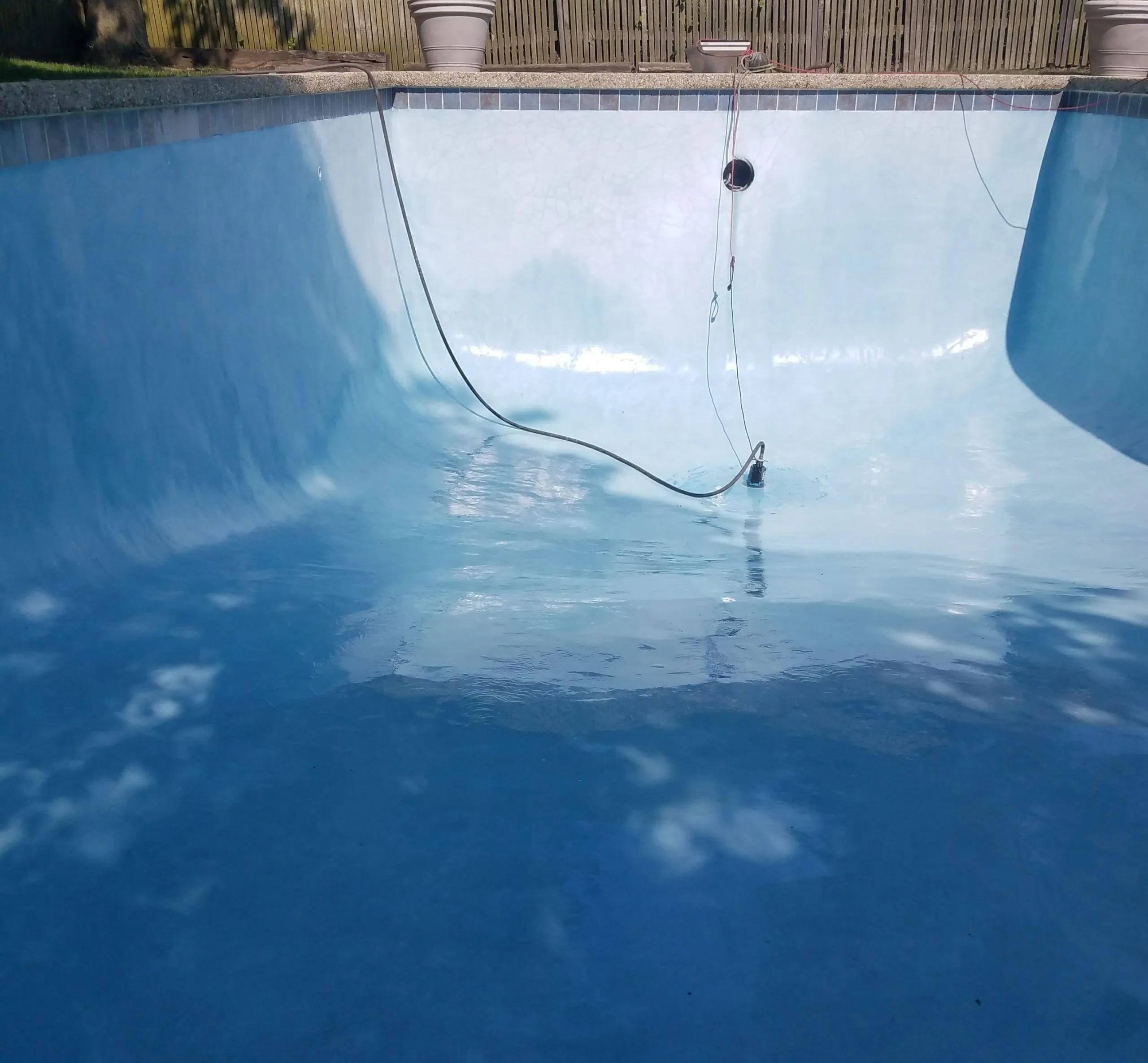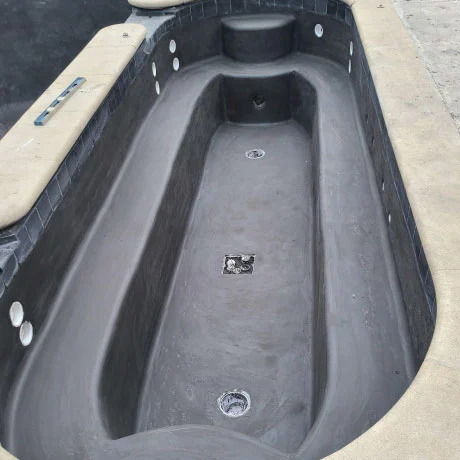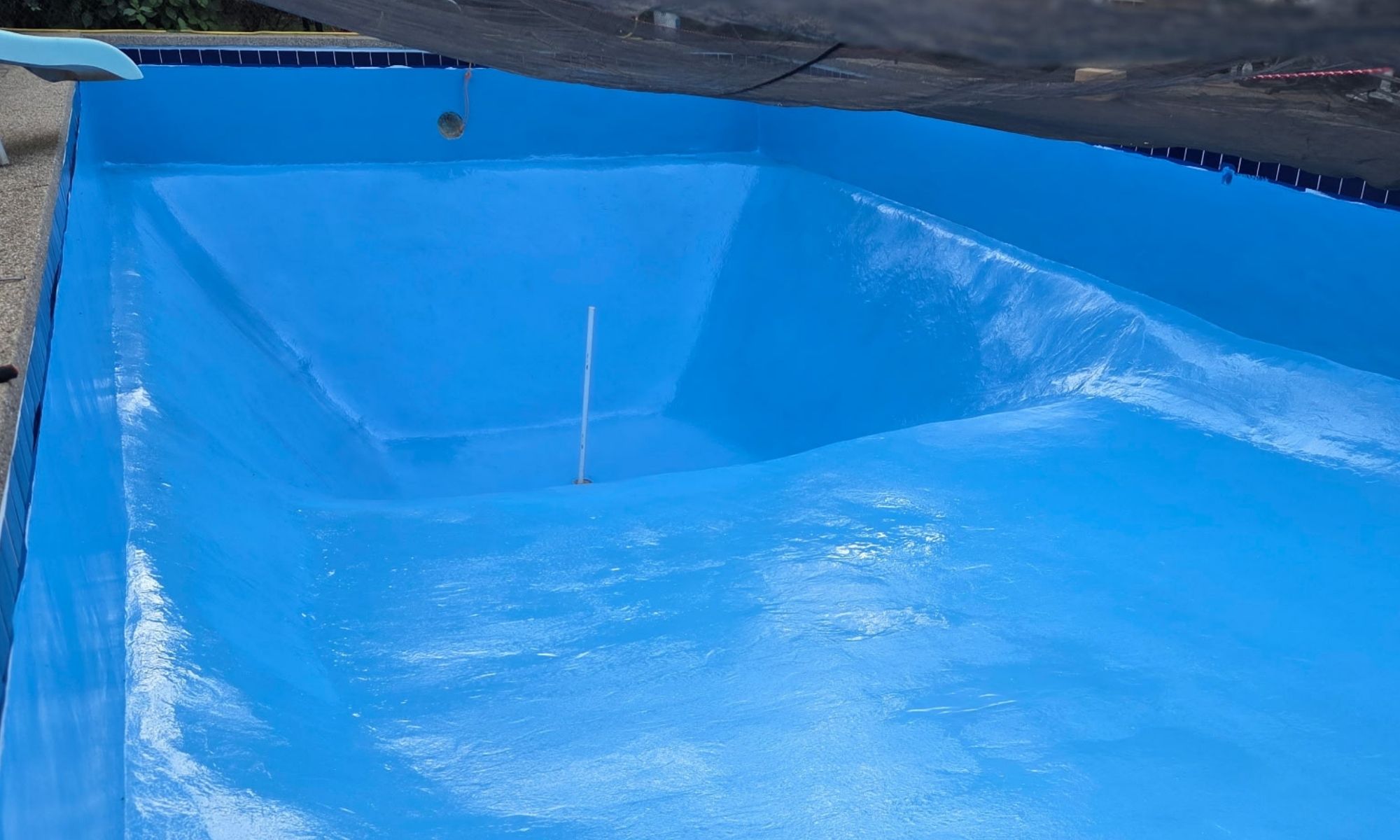

Pool Painting in Northbrook, IL & Chicago Suburbs

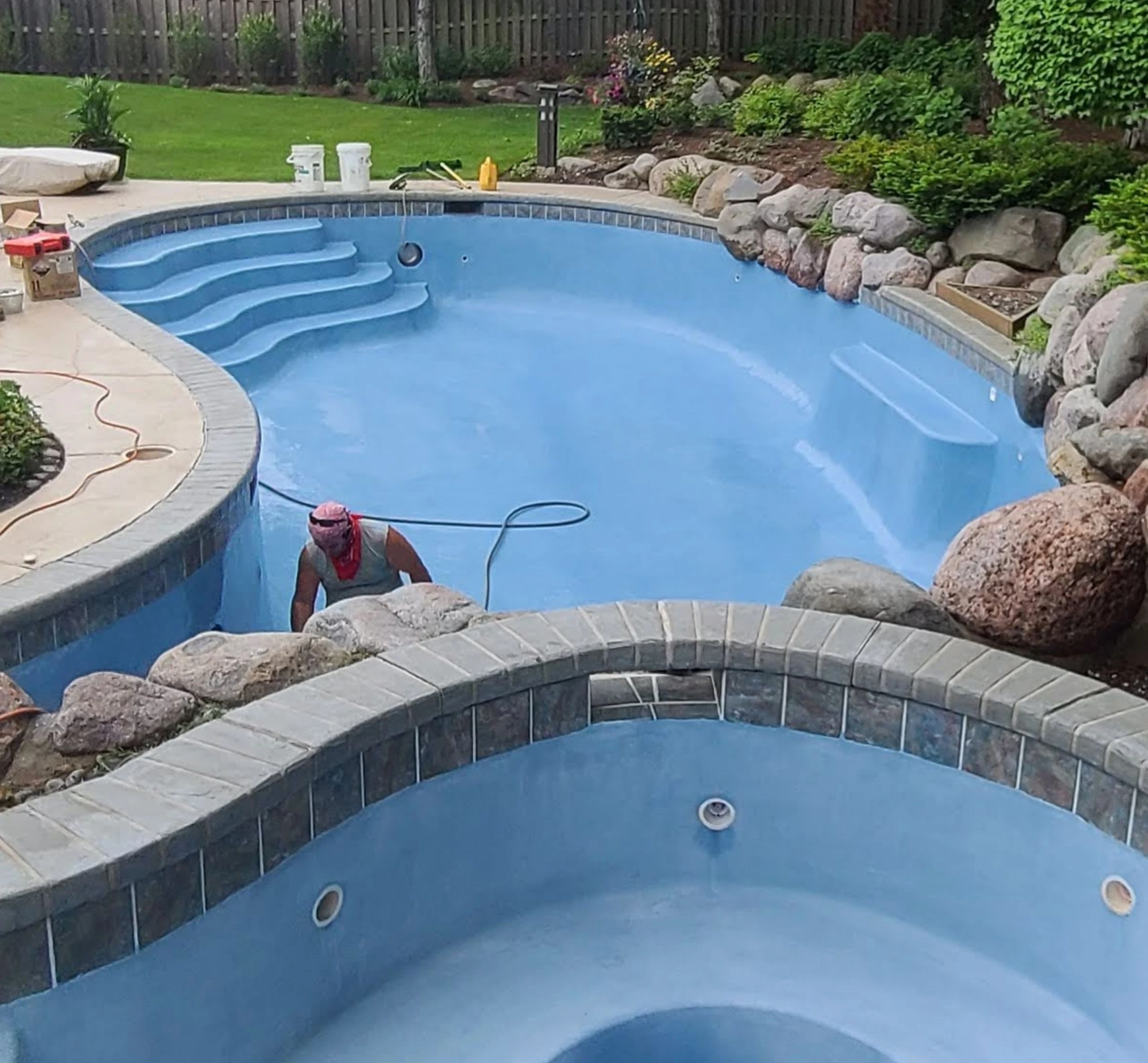
JG Pool Service repaints peeling, chalking, and faded pool surfaces throughout Northbrook, South Barrington, and the surrounding Chicago suburbs.
5-YR
Workmanship warranty on every pool painting project.
100%
Free, no-obligation estimate before any pool repair or resurfacing project begins.
7 DAYS
A week, we're reachable for pool repair calls across the Chicago suburbs.
24/7
Emergency pool repair response for leaks, pump failures, and equipment breakdowns.

Why Pool Paint Fails in Chicago's Freeze-Thaw Climate

Pool paint is a maintenance coating, not a permanent surface, and in the Chicago suburbs it works against a climate that shortens its expected lifespan almost every year. A painted concrete or gunite pool typically needs recoating every two to five years depending on the paint type, and that window narrows further on pools that stay open into cooler fall weeks or reopen early in spring when the surface hasn't fully cured from the previous freeze. A pool painted well in Northbrook five seasons ago is now a reasonable candidate for the same peeling and flaking this section describes.


Improper paint compatibility is the second major driver of early failure in this region. Epoxy paint applied over an old rubber-base coating, or vice versa, doesn't bond correctly regardless of how carefully it's applied, and the mismatch shows up as bubbling or sheeting within one or two seasons rather than lasting through a normal repaint cycle. Add in the winterization habits common across Cook and Lake County, where water is drawn down and surfaces sit exposed through months of freeze-thaw cycling, and even a correctly matched paint job takes on stress that milder climates simply don't produce.


Sun exposure adds a third, slower-acting failure mode on top of the first two. UV breaks down the paint's pigment and binder over time, which is why a pool painted a rich blue often fades to a chalky pale version of that color well before the coating physically peels. Once that chalking starts, it rubs off on skin and swimsuits, which is usually the first visible sign owners notice, even though the coating underneath may still have a season or two of life left before it needs a full strip and recoat.

01

Peeling and Flaking

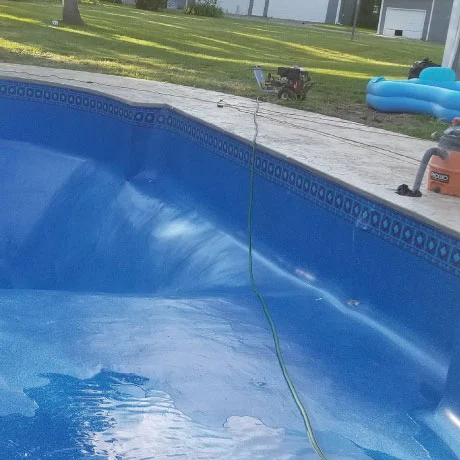
Peeling starts at the edges of a coating, usually near the waterline or steps where the paint sees the most repeated wet-dry cycling, and it spreads inward as loose flakes travel around the pool and collect against the walls and drains. Once flaking begins, patch-painting over it rarely holds, since new paint won't bond to the loose material underneath, and the pool needs a full strip before the next coat goes on.
02

Chalking and Fading

Chalking shows up as a fine, powdery residue that rubs off on a wet hand run across the wall, and it's the paint's binder breaking down under UV exposure well before any structural failure occurs. A pool with heavy chalking usually still holds water fine and shows no cracking, but the color has faded unevenly enough that the surface reads as worn even from a distance.
03

Bubbling and Delamination

Bubbling happens when moisture gets trapped beneath the paint layer, either from incompatible paint types stacked on top of each other or from a coat applied before the surface below was fully dry, and it shows up as raised patches that eventually pop and peel back. This failure mode tends to appear faster than simple UV fading, sometimes within a single season, which is usually a sign the wrong repaint approach was used the last time the pool was coated.

Benefits of Professional Pool Painting

A peeling or chalking paint job doesn't just look worn, it changes how the pool holds water chemistry and how much work it takes to keep clean. Loose paint flakes clog filters and skimmer baskets faster than a smooth surface would. A correctly stripped, primed, and recoated pool resets both the appearance and the day-to-day maintenance load at the same time.


Getting a repaint right depends on matching the new coating to what's already on the pool, since epoxy, rubber-base, and acrylic paints don't bond reliably to each other and guessing wrong is the single most common reason a fresh paint job fails within a season. JG Pool Service tests the existing coating before quoting a repaint, rather than assuming the paint type from the pool's age or the color on the surface. That step alone is what separates a repaint that holds for its full expected lifespan from one that bubbles and peels before the following summer.


Beyond the coating itself, a full repaint is also a natural point to address smaller issues that are easier to fix with the pool drained and the surface exposed, from a worn skimmer that's due for replacement to hairline cracks around fittings that would otherwise go unnoticed under water. Handling those items in the same visit avoids draining the pool twice for two separate projects within the same year.
01

Restored Surface and Color

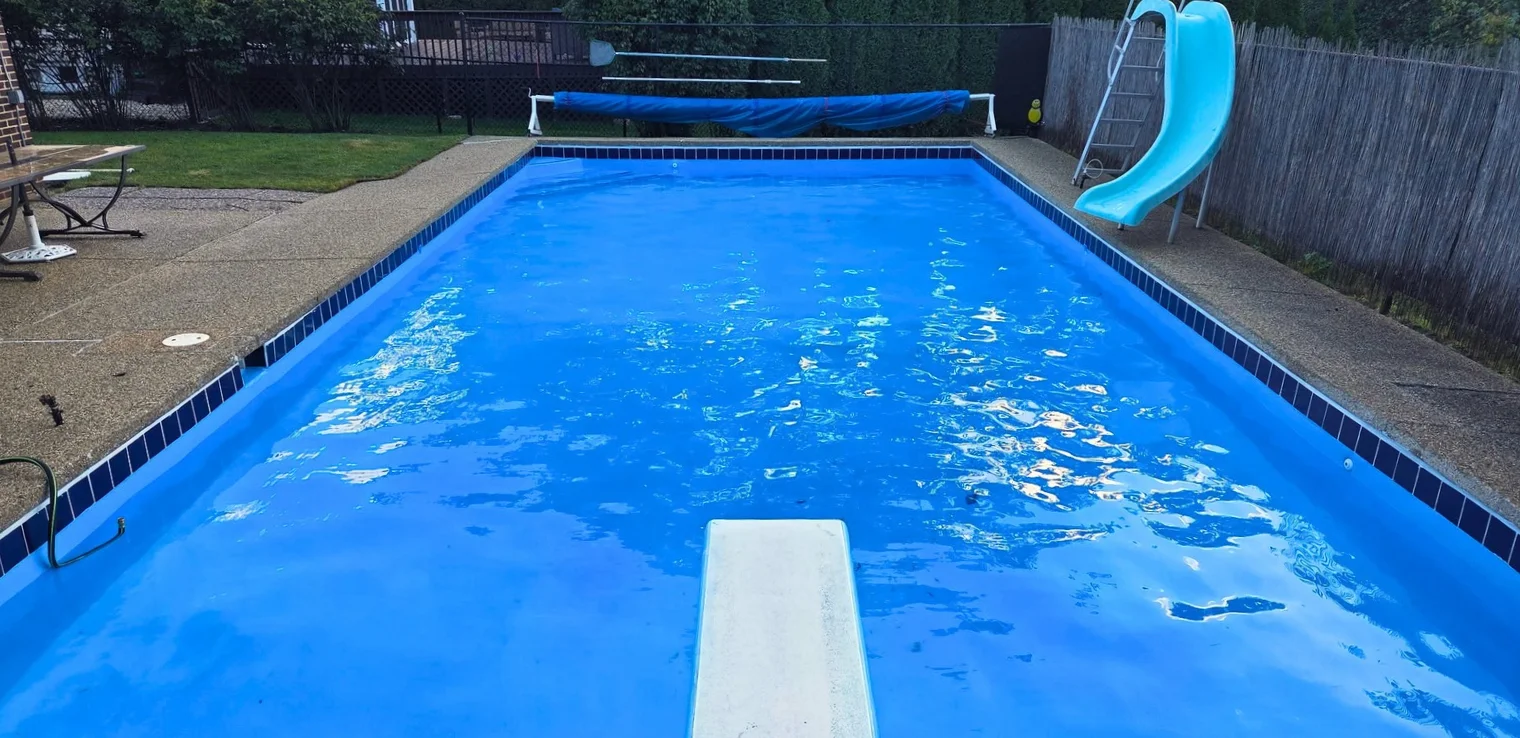
Fresh paint restores both the color and the smooth texture of the pool surface, correcting the chalky, faded look that UV exposure produces over several seasons of Chicago summers. Because the old coating is stripped or properly prepped before repainting, the new color goes on even and consistent rather than patchy over whatever unevenness the previous coating had developed.
02

Easier Cleaning and Lower Chemical Demand

A smooth, freshly painted surface holds far less algae and debris than a chalking or flaking one, since loose paint particles and rough patches give organic material more places to attach. That translates directly into less time spent brushing and a chlorine demand that tracks closer to what the pool's size and bather load actually call for, rather than fighting a surface that's working against the chemistry.
03

Lower Cost Than Full Replastering

Painting is a maintenance coating rather than a structural resurfacing, which makes it a meaningfully lower-cost option than a full replastering project for pools that don't yet need shell-level repair. For owners managing a tighter budget or a pool that's a few years away from needing full resurfacing, a proper repaint extends the usable life of the existing plaster while keeping the project cost well below a ground-up replaster.

Pool Paint Types and Finishes

JG Pool Service identifies the existing coating on-site before recommending a paint type, since matching to what's already there matters more than picking the paint with the longest advertised lifespan.
01

Epoxy Pool Paint

Epoxy is the most durable common pool paint option, typically holding up for five to seven years when applied correctly over a properly prepped surface, and it resists chemical exposure better than most alternatives. It requires more careful surface preparation and a longer cure time before refilling than other paint types, which makes proper application timing more important than with faster-curing options.
02

Chlorinated Rubber Paint

Chlorinated rubber paint cures faster than epoxy and costs less upfront, making it a common choice for pools on a tighter repaint budget or timeline, though its typical service life runs shorter, usually two to three years. It bonds only over existing rubber-base coatings or bare, properly prepped plaster, and applying it over an epoxy surface is one of the more common compatibility mistakes that leads to early peeling.
03

Acrylic Pool Paint

Acrylic paint is water-based, dries quickly, and requires the shortest downtime before refilling of the common paint categories, which makes it a practical option for pools that can't stay closed for an extended cure period. Its tradeoff is a shorter lifespan than epoxy, generally one to two seasons before fading and wear become noticeable.
04

Epoxy-Acrylic Hybrid Paint

Hybrid formulations blend epoxy's durability with acrylic's faster cure time, landing in the middle on both cost and expected lifespan compared to the two paints they're derived from. This category has become more common on pools where owners want better durability than standard acrylic without the extended downtime a full epoxy application requires.
05

Waterproof Cementitious Paint

Cementitious paint is a cement-based coating primarily used on bare, unpainted concrete or gunite surfaces rather than as a recoat over existing paint, and it doubles as a waterproofing layer on pools with minor surface porosity. It's less commonly chosen for a straightforward repaint but comes up on older pools being brought back into service after sitting unused for an extended period.
06

Fiberglass-Safe Paint

Fiberglass pools require a paint specifically formulated for gelcoat surfaces, since standard concrete pool paints don't adhere properly to fiberglass and will peel within a single season if applied incorrectly. This is a smaller share of the repaint work in the Chicago suburbs given how few fiberglass pools are in the ground locally, but it's a distinct category with its own prep and compatibility rules.
07

Custom-Tinted Finishes

Most pool paint lines can be custom-tinted beyond the standard blue and white options, which lets owners match a repaint to a specific design goal, whether that's a darker water tone for a more dramatic look or a lighter shade that keeps the pool cooler underfoot in direct sun. Tinting slightly affects cure time and should be confirmed with the specific paint manufacturer's guidance before the project is scheduled.
08

Anti-Slip Deck and Step Paint

Steps, benches, and shallow-end areas benefit from an anti-slip additive mixed into the paint, which adds texture without changing the coating's underlying chemistry or compatibility rules. This is typically applied as a targeted addition on high-traffic areas rather than across the entire pool surface, since a fully textured finish underfoot isn't necessary or desirable everywhere.

Our Pool Painting Process

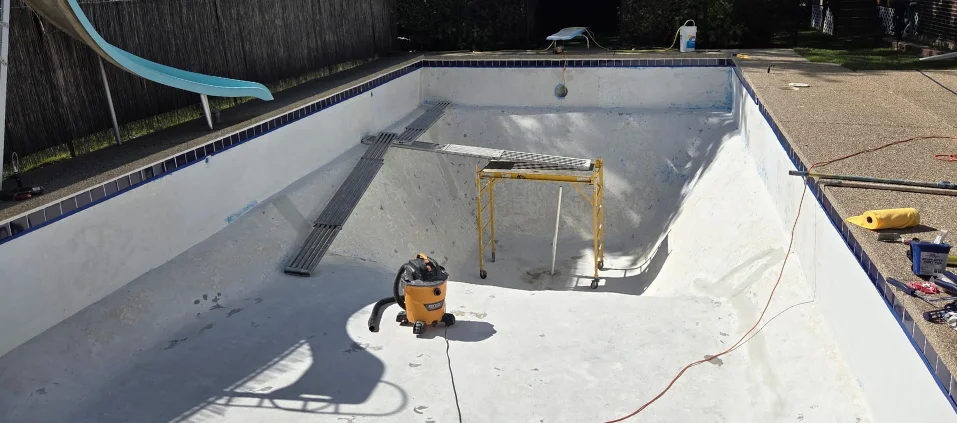
A repaint that lasts its full expected lifespan depends on the same sequence every time.
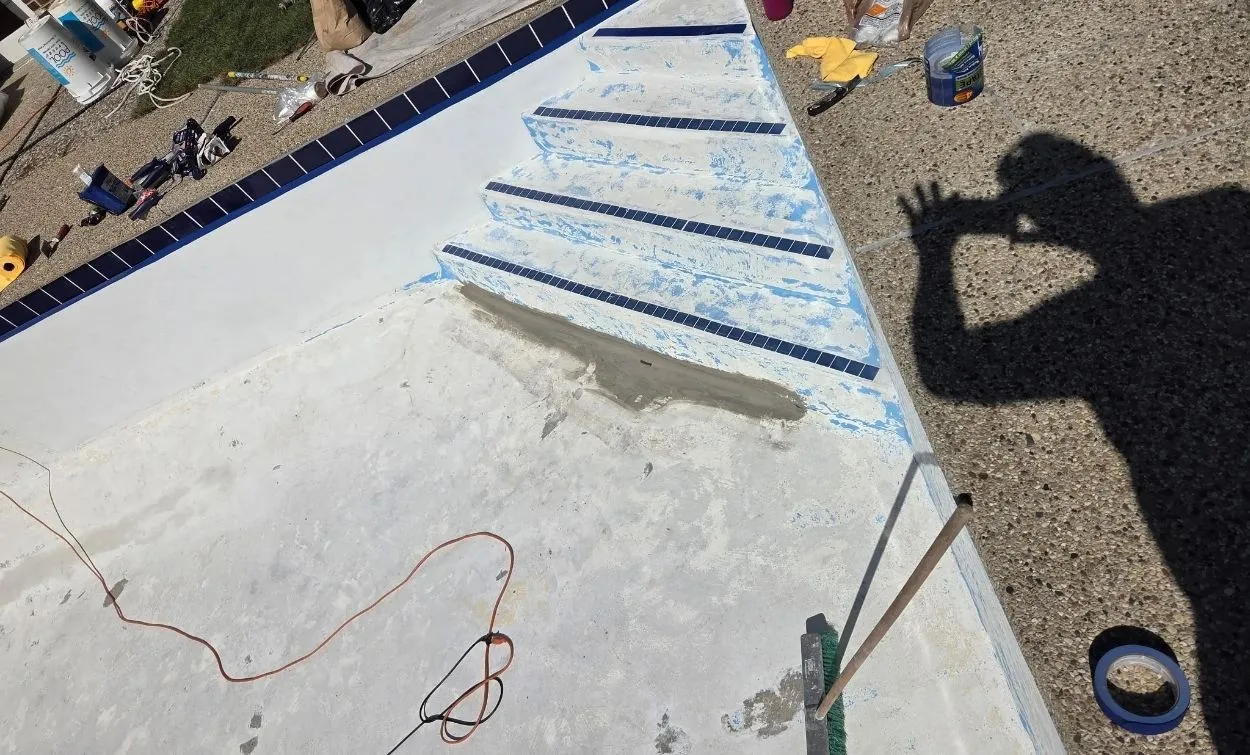
Skipping surface prep to save a day of labor is the most common reason a paint job fails within a season instead of holding for several. JG Pool Service follows the same core process whether the project is a straightforward acrylic touch-up or a full epoxy strip-and-recoat.
01
Draining and Surface Inspection
02
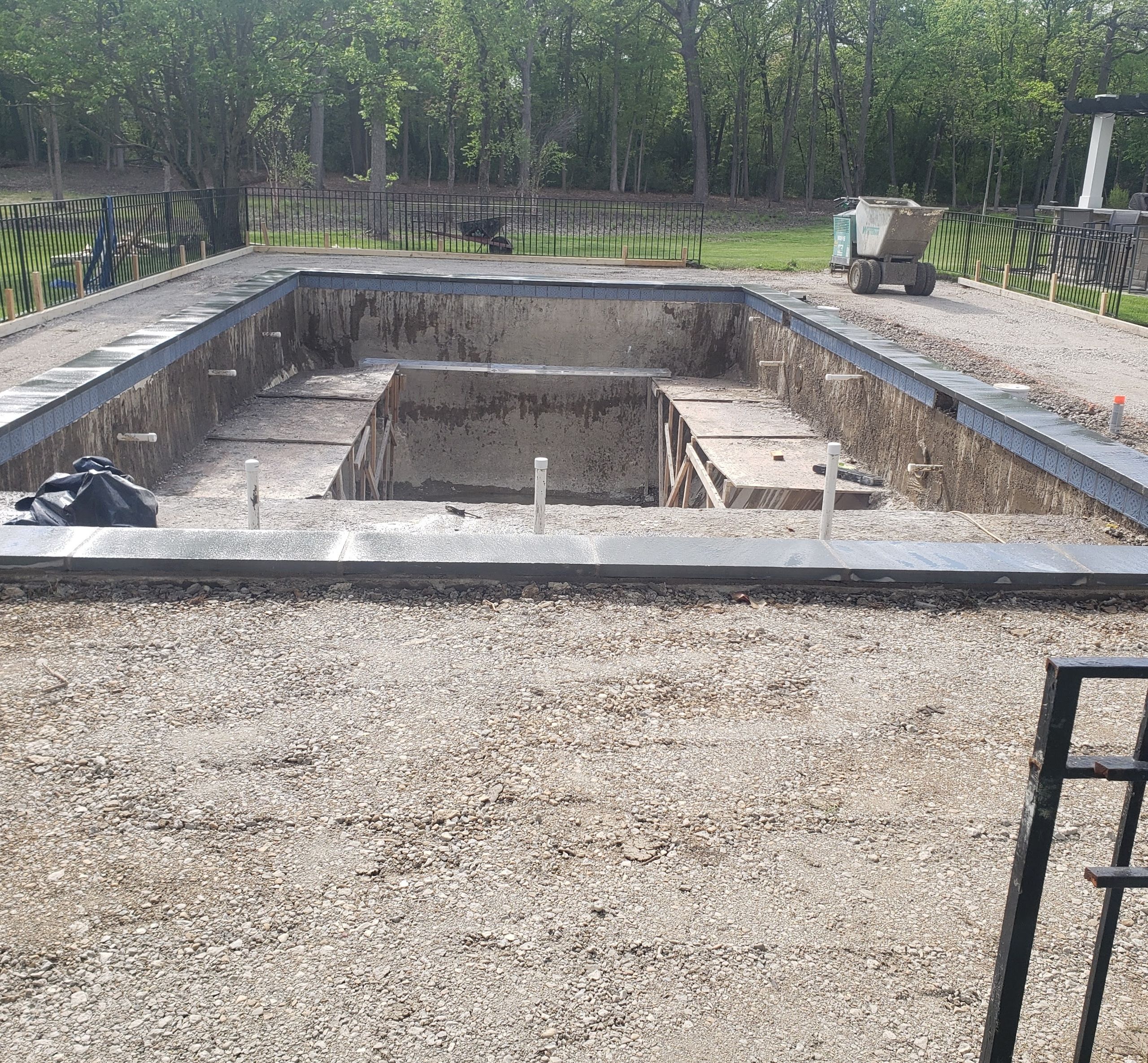
Stripping, Etching, and Prep
03
Paint Application and Cure
FAQ
How do I know if my pool needs repainting instead of replastering?
Peeling, chalking, or fading paint on a pool that's structurally sound and free of significant cracking is usually a repaint issue, not a resurfacing one. If the underlying plaster itself is cracked or deteriorating beneath the paint, replastering is the more durable fix.
How long does pool painting last in the Chicago area?
Lifespan depends heavily on the paint type: epoxy typically holds for five to seven years, chlorinated rubber for two to three, and acrylic for one to two seasons, with freeze-thaw winters generally shortening all three ranges compared to milder climates.
Can you paint over my pool's existing coating?
Sometimes, but only if the new paint is compatible with what's already on the surface. Epoxy over rubber-base, or the reverse, typically fails within a season, which is why JG Pool Service identifies the existing coating before recommending a repaint approach.
Why is my pool paint peeling after only one season?
Early peeling usually traces back to incompatible paint types stacked on top of each other, insufficient surface prep before the last coat, or refilling the pool before the paint had fully cured. Chicago's freeze-thaw winters accelerate any of these underlying issues faster than milder climates.
How long does the pool need to stay closed after painting?
Cure time depends on the paint type, ranging from a few days for acrylic to a longer window for epoxy, and the pool shouldn't be refilled until the specific product's manufacturer-recommended cure time has passed. Refilling early is one of the more common causes of soft, easily damaged paint.
Should I replace my skimmer while the pool is drained for painting?
It's a common pairing, since a worn or cracked skimmer is far easier to access and replace with the pool empty than during a separate service visit later. Our skimmer replacement service can be scheduled alongside a repaint project to avoid draining the pool twice in one season.
Is pool painting a good option before selling a home in Northbrook or South Barrington?
Yes, a fresh, even paint job is one of the more visible and lower-cost improvements a pool owner can make before listing a property, correcting the chalky or faded look that reads as a maintenance problem to buyers touring the backyard. It's generally a faster and less expensive fix than a full replastering project when the underlying plaster is still structurally sound.
CONTACT FORM
Pool Service 
in Coral Springs, FL
JG Pool Service is your go-to company for all your pool maintenance needs. With years of experience in the industry, we specialize in providing professional pool cleaningnd more.